


I’ve been in online support groups for women with premenstrual disorders for several years now. Every so often, the same type of story appears:
“How do I get my partner to understand that…. I hate myself for being this way… I blew up at him… He won’t read about PMDD… He says I am making excuses…. I asked him to give me an hour by myself to work on my stuff but he asks me what to make for dinner every day… Eventually I snap at him and say something mean. I feel horrible for not being able to control my moods.”
I don’t want to make excuses for blowing up at people, being mean, yelling, using personal attacks, etc. On the other hand, in many of these posts, it seems to me that the woman in question is trying to communicate differently, but her environment is invalidating her. And she’s twisting herself into various shapes, trying to change herself and also trying to change the people around her, trying to make them understand. If she could just find the right words and the right resources, maybe things would be different.

PMDD has been found in studies to be particularly linked to sexual abuse and emotional neglect. When someone has a history of trauma, they will develop symptoms and triggers related to that trauma. The most famous example is combat trauma and fireworks. The loud sounds of fireworks can instantly send the person back to the noise of gunshots and that horrible situation they were in. They then may react with anger, avoidance, panic attacks, etc. We know this.
With sexual abuse and emotional neglect, the triggers usually aren’t loud noises, but things like emotional invalidation. Someone ignoring your “no” or telling you that you are not feeling the way you say you feel will bring up strong feelings of past pain from when someone ignored your “no” or dismissed your feelings.
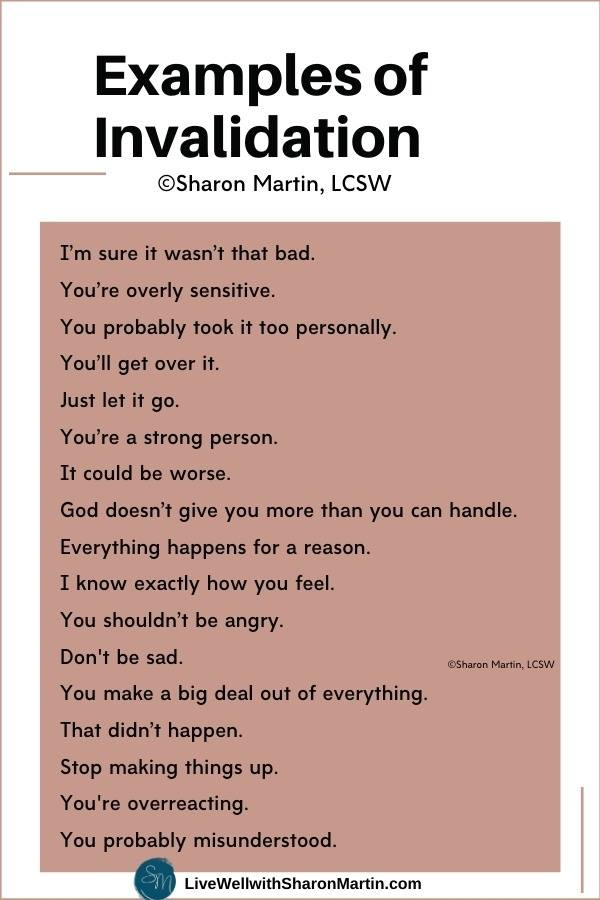
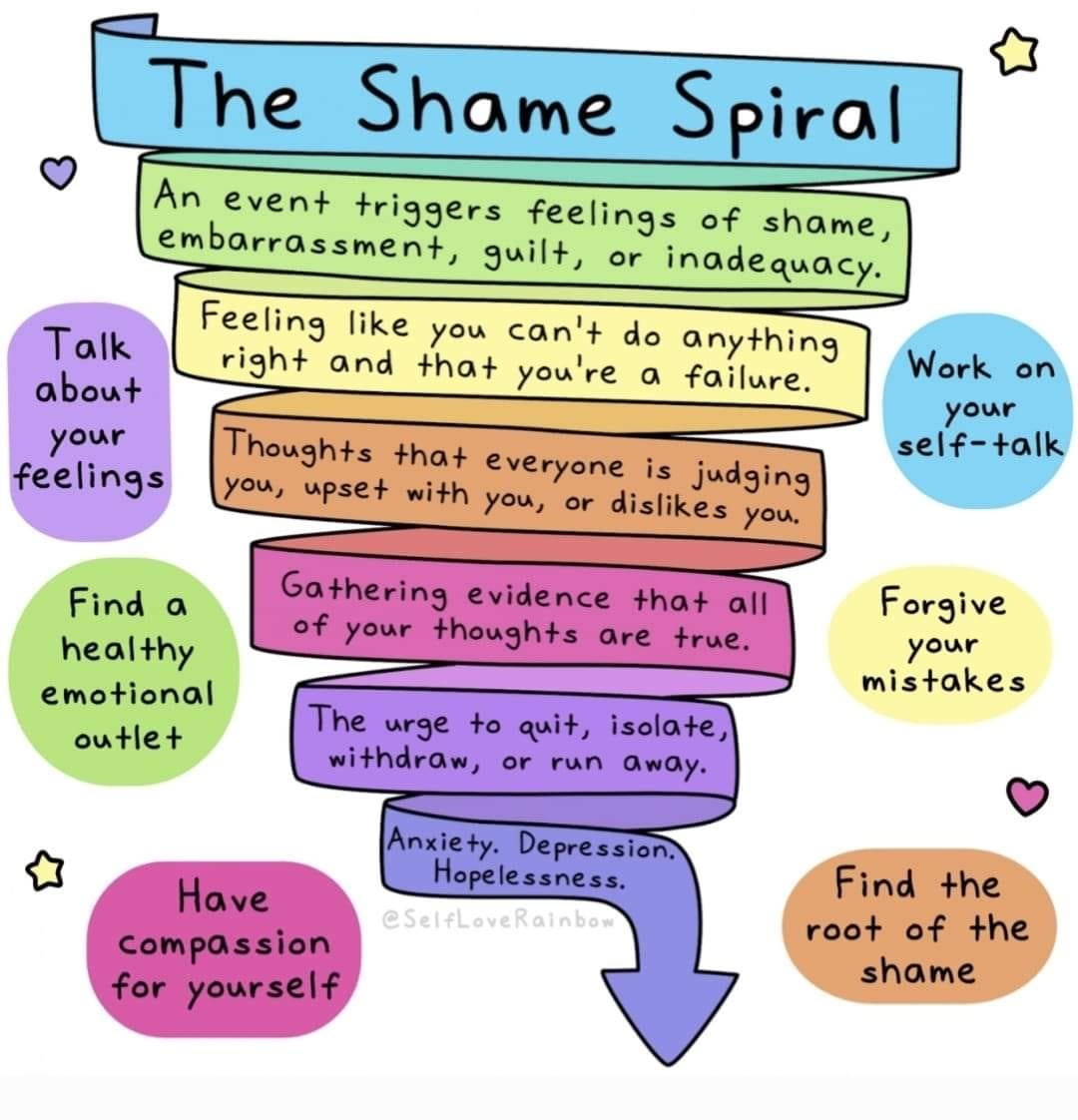
As a young kid, I was told that I wasn’t feeling the way I’m feeling. I thought I was depressed, but my mother told me I wasn’t. My father told me I was too sensitive. I grew up doubting my feelings, thinking maybe I’m wrong. I learned to run my decisions by other people. I didn’t trust myself, particularly when I felt I wasn't in control of my behavior or emotions. I would find myself making impulsive decisions and then getting into shame spirals.
Previous research has found that women (not only those with PMDD) are more reactive to angry and sad stimuli during the luteal period.1
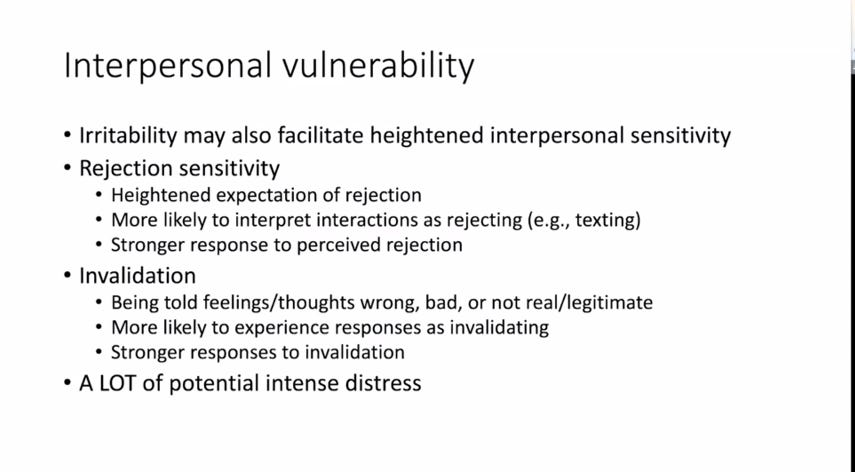
Now, take women who may have a history of invalidation, a lack of emotional regulation and/or interpersonal skills, and/or are in an unsupportive environment. They may overreact to real cues in their environment or not deal with them in the best way.
This is apparently not uncommon in premenstrual disorders. A study that interviewed 6 British and 34 Australian women2 argued that
women's experience of distress or anger premenstrually, their positioning of this experience as pathology, and their self-positioning as a ‘PMS sufferer’, is connected to the self-policing practices of self-silencing, self-surveillance, over-responsibility, self-blame, and self-sacrifice. This is closely associated with hegemonic constructions of idealized femininity: the positioning of women as emotional nurturers of others, necessitating self-renunciation; the juxtaposition of the ‘good’ and ‘bad’ woman; and the positioning of woman as closer to nature, with subjectivity tied to the body. Premenstrually, a rupture in self-silencing occurs, yet this is followed by increased self-surveillance, leading to guilt, shame, and blaming of the body. Identifying self-policing practices allows women to develop more empowering strategies for reducing or preventing premenstrual distress, developing an ethic of care for the self, and no longer blaming the body for premenstrual anger or depression.
It goes like this: you try to tell yourself you’re overreacting or work harder to manage your feelings. Then luteal hits, you’re having a horrible day, and you blow up at someone, very often the romantic partner. Then you feel horrible, vowing to be different next time, and look for a way to fix the problem: research, going to therapy, trying a new supplement or medication.
What can you do about it?
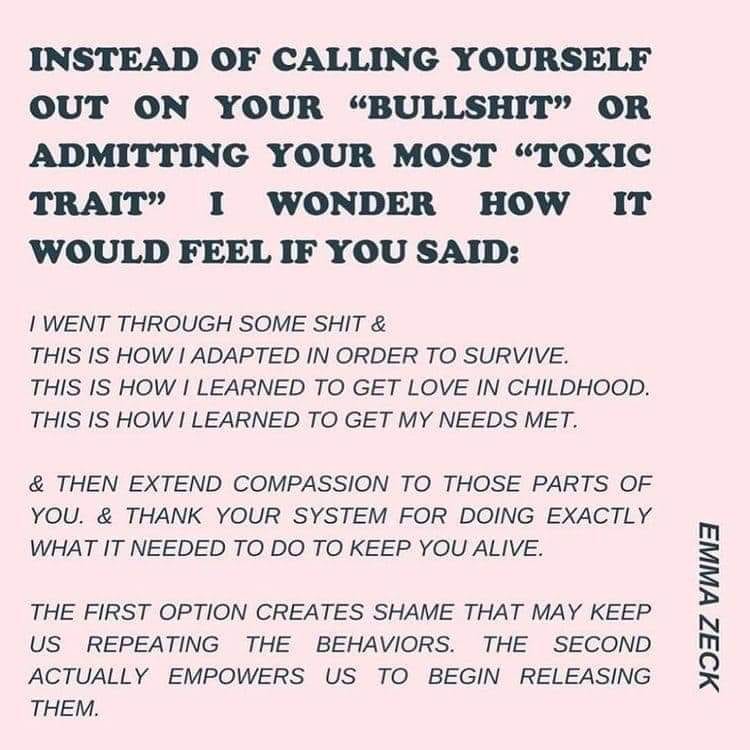
Learn to validate yourself
Before we can expect someone to be there for us, we need to learn to be there for ourselves. Yes, children learn this type of self-regulation through co-regulation with adult caretakers, and it can be harder to learn it as an adult if you didn’t receive that type of modeling as a child. But it’s not impossible.
Practice self-compassion, self-validation, and self-parenting. There are so many different resources on this topic and different ways to approach it. When you have a big emotion like anger or rage, bring your attention to the fact that several things are going on. There are the sensations in your body, the stories you have about what’s going on, and the meaning you ascribe to everything.

Validating yourself is stepping back from stories that you’re not allowed to feel the way you’re feeling, or that you’re always going to feel this way. It’s being there for yourself. It’s letting yourself be angry without being controlled by the anger. And it’s something that often takes a lot of practice.
The best part is that by doing this work, you can remind yourself that you’re already doing something loving for yourself.
Practice distress tolerance skills - make things comfortable for you
Aimee Oliveri has proposed a DBT-informed psychological intervention for premenstrual disorders.3 Dialectical Behavioral Therapy spends a lot of time on distress tolerance skills: when to distract away from your experience, when to be with it and accept it, and how to make things that feel intolerable start to feel tolerable.
Some skills include using temperature, like dunking your face in ice-cold water, which can help when your body feels hot with rage. Other times, it may involve using scents, sounds, or imagination to make the present more comfortable, or at least less miserable. While it can take time to find the skills that work for you and in which situations, you can find lists of DBT skills online to experiment with.
Work on recognizing the feelings under the anger
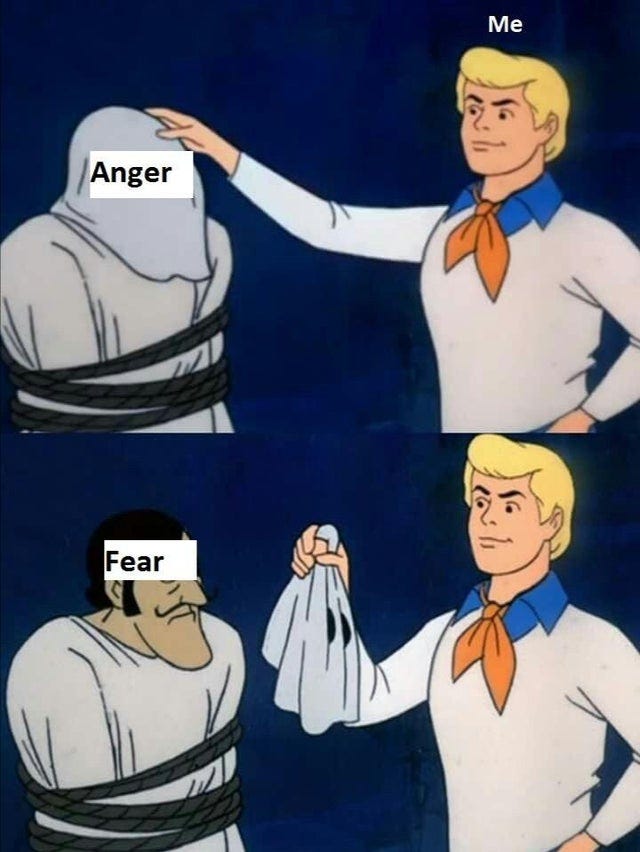
Anger is interesting because it appears in different ways. Primary anger shows up when our boundaries are violated. It’s our body's way of telling us that something in the environment isn’t working for us.
Secondary anger covers up other emotions such as fear, sadness, and grief. Some people find it more difficult to feel angry. They may cry and feel shame instead. Other people may feel angry whenever they feel vulnerable. Understanding your relationship to anger can help make that relationship healthier.
Practice interpersonal skills - how to communicate your needs effectively
When we’re overwhelmed with emotions such as anger, shame, and blame, we can unintentionally push people away, even if we feel desperate for their help.
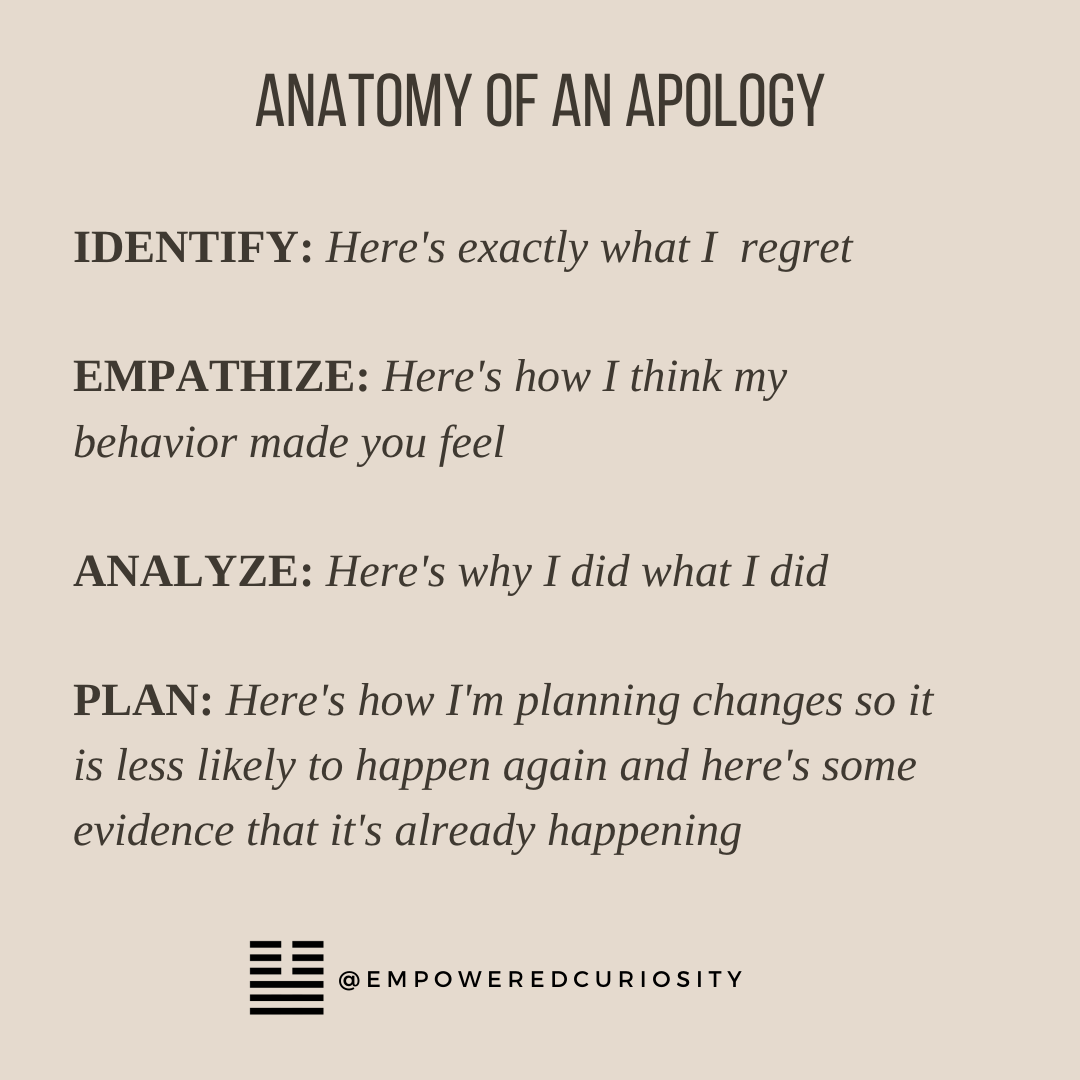
Learning effective communication can help us get what we want in our relationship. This involves knowing when and how to approach people (ie, not at the height of our emotions, or when we don’t have time for a proper conversation), and also how to frame things (like using I statements and solutions instead of blaming “you always do this” type of phrases).
Sometimes, we can say something in the most non-violent way, and the other person still won’t be able to accept it or work with us, so keep that in mind. However, it’s always useful to learn how to communicate more effectively.
Make art
I’m a fan of making art because it’s also taking something that we don’t like about ourselves and think is ugly, and turning it into… something else.
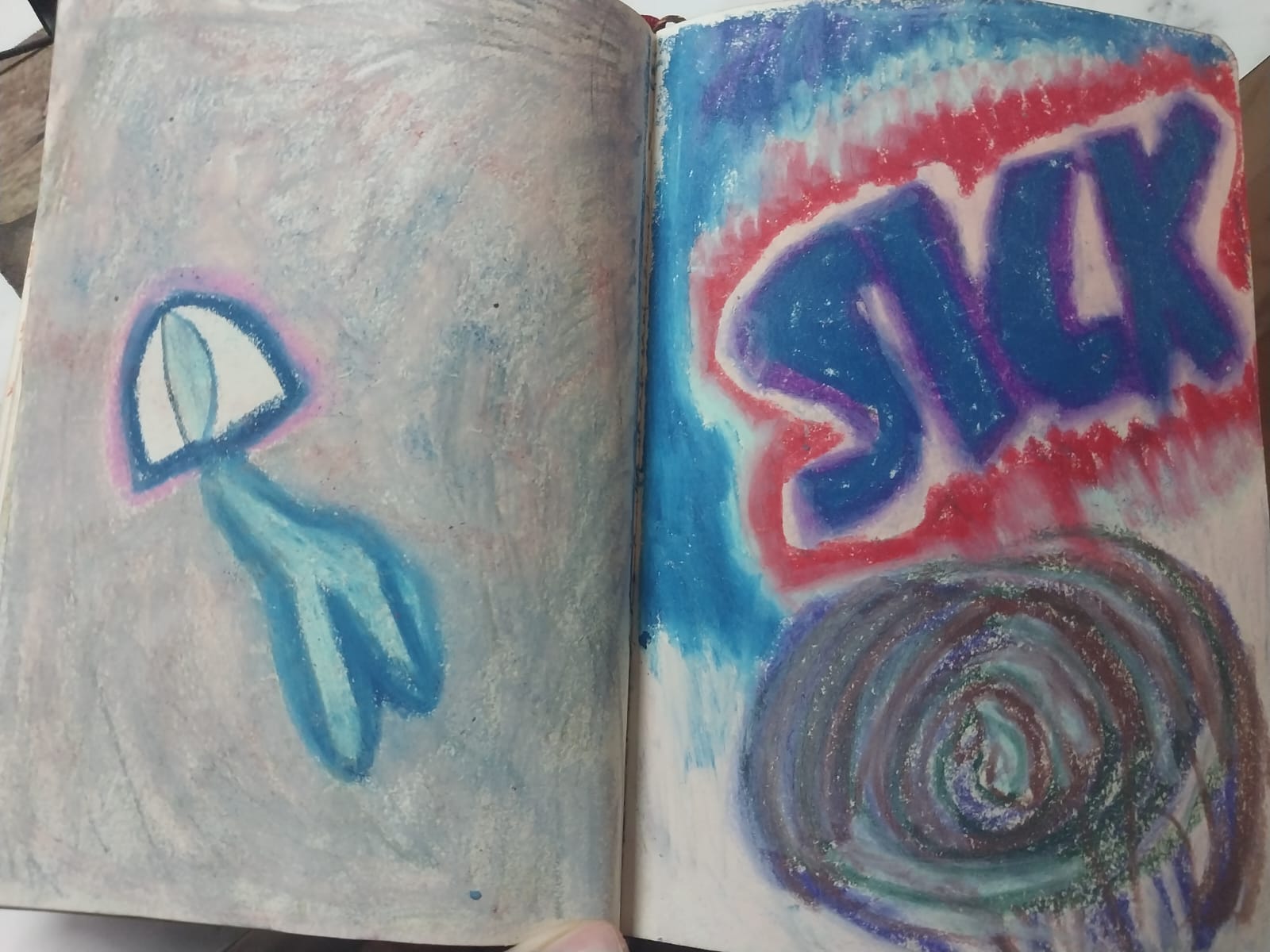
Art can also help with emotional regulation. We can use art to take the things that feel horrible inside us, and through the physical act of working with materials such as paint, oil pastels, or music, we shift our internal state.
So, making art can be a way to practice everything mentioned above: learning to tolerate distress; to validate our feelings; to create new meanings from the stories we tell ourselves; to make our current experience more comfortable; and to communicate our inner world to others around us, and use it as an opportunity for connection instead of conflict.
A Life Less Miserable is a free publication that blends peer-reviewed research, lived experience, and practical tips. You can support this work by sharing posts, subscribing, and leaving a one-time tip. Any help is appreciated.
Resources
IAPMD webinar: Supporting Patients Navigating PMDD Related Anger, Irritability, & Rage. It’s intended for mental health clinicians but useful for anyone dealing with PMDD-related anger.
Book: Not the price of admission: Healthy relationships after childhood trauma by Laura S. Brown.
Derntl B, Hack RL, Kryspin-Exner I, Habel U. Association of menstrual cycle phase with the core components of empathy. Horm Behav. 2013 Jan;63(1):97-104. doi: 10.1016/j.yhbeh.2012.10.009. Epub 2012 Oct 23. PMID: 23098806; PMCID: PMC3549494.
Ussher, J. Premenstrual Syndrome and Self-policing: Ruptures in Self-Silencing Leading to Increased Self-Surveillance and Blaming of the Body. Soc Theory Health 2, 254–272 (2004). https://doi.org/10.1057/palgrave.sth.8700032
Oliveri A, Muir S, Mu E, Kulkarni J. Advancing psychological interventions for premenstrual dysphoric disorder: A dialectical behaviour therapy-informed treatment model. Aust N Z J Psychiatry. 2025 Aug;59(8):670-673. doi: 10.1177/00048674251348370. Epub 2025 Jun 27. PMID: 40576068; PMCID: PMC12375139.